Thailand’s landscapes make driving one of the most enjoyable ways for foreigners to explore the country. But driving in Thailand comes with rules, responsibilities, and a few legal details that can be easy to overlook, especially for foreigners unfamiliar with the local system. Depending on where you’re from and how long you plan to stay, you may be able to drive with an existing licence, need an International Driving Permit, or be required to apply for a Thai driving licence.
This guide breaks down everything you need to know before getting behind the wheel: who is legally allowed to drive, the documents and licence requirements for different types of foreign visitors, the most important traffic rules, and what to expect on the road.
Who can drive in Thailand as a foreigner
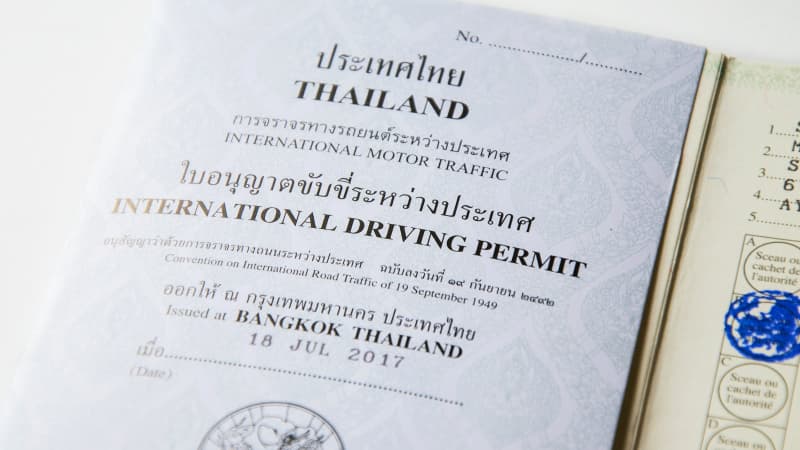
Foreigners can legally drive in Thailand, but the rules vary depending on whether they are short-term visitors or long-term residents.
Short-term visitors
ASEAN nationals can drive with just their home-country licence. They are not required to carry an International Driving Permit (IDP). Visitors from other countries generally need an IDP issued under an international convention. With a valid IDP, they can drive immediately upon arrival.
These allowances apply only to short stays. Tourists and transit visitors cannot apply for a Thai driving licence.
Long-term residents
Foreigners who live in Thailand for extended periods, such as those working in Thailand, having Thai residency, or living with family, must obtain a Thai driving licence, even if they already hold a valid licence from their home country.
You’ll need documents such as your passport, visa, health certificate, and proof of residence. For more details, check out our full guide on how to obtain a Thai driving licence for foreigners.
Important road rules & traffic laws
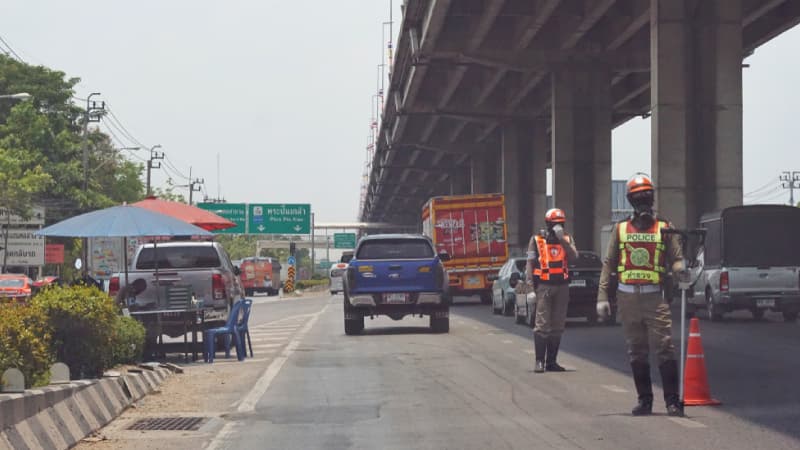
Foreigners driving in Thailand must follow the same traffic laws as Thai drivers. Some regulations may be familiar, while others are unique to Thailand.
Driving orientation and speed
Thailand drives on the left side of the road. The speed limits generally follow (with exact limits varying by road signage):
- Urban areas: ~50–60 km/h
- Highways: 80–120 km/h depending on the zone
Seat belt & helmet rules
Seat belts are mandatory for drivers and front passengers and increasingly enforced for rear passengers. Motorcycle riders and passengers must wear helmets at all times.
Mobile phone regulations
Drivers may not hold or use a phone while driving unless using a hands-free system. Violations often result in fines at checkpoints.
Alcohol limits
Thailand enforces a strict 0.05% BAC limit for most drivers. For new drivers or certain vehicle categories, the limit may be even lower.
Traffic enforcement
Thailand uses speed cameras, especially on highways and in major cities. Police checkpoints are common, especially in tourist areas, and officers may ask to see:
- Your passport
- Your valid licence / IDP
- Vehicle rental documents
- Insurance papers
Having the correct documents reduces the chance of fines or complications during roadside checks.
Can foreigners buy a car in Thailand?
Yes, foreigners can buy a car in Thailand, even without permanent residency. The key requirement is having proof of address, usually through a residence certificate from Immigration or a work permit. The buying process is straightforward once you have the right documents, but registration and ownership transfer must be done at the Department of Land Transport (DLT).
For detailed steps, documents, and costs, read our complete guide on how to buy a car in Thailand as a foreigner.
Can foreigners buy car insurance in Thailand?
Foreigners can purchase car insurance just like Thai citizens. Whether you’re buying a new vehicle, transferring ownership, or renting long term, you’re required to have Compulsory Motor Insurance (Por Ror Bor). Most foreign drivers also choose voluntary insurance for wider protection against accidents, theft, or damage.
Insurance companies typically ask for your passport, driver’s licence, and vehicle documents. Roojai offers fully digital services, making it easier for expats and long-term visitors to manage coverage and claims without language barriers.
Renting a car in Thailand
Renting a car is one of the easiest ways for foreigners to get around Thailand, especially for short trips or vacations. Major rental companies operate in airports and city centres, and many accept reservations with just a passport, valid driver’s licence, and a credit card.
You’ll usually need an IDP paired with your home-country licence, unless you hold an ASEAN licence or a Thai licence. Rental vehicles often come with basic insurance, but coverage levels vary, so check what’s included, and consider adding extra protection for peace of mind.
Before driving off, inspect the car thoroughly and take photos of any existing scratches. Traffic rules, toll roads, and parking systems can differ from your home country, so take a moment to familiarise yourself before hitting the road.
Final thoughts
Driving in Thailand gives foreigners more freedom to explore and makes day-to-day life much easier. Once you understand the licence rules, essential road laws, and the realities of local driving culture, the whole experience becomes far more enjoyable and less stressful.
Staying protected on the road is just as important as knowing the rules. Roojai offers car insurance policies that are simple to buy, easy to manage, and designed for drivers who prefer clear information over complicated paperwork. Visit Roojai to compare car insurance plans or get an instant quote whenever you need it.